


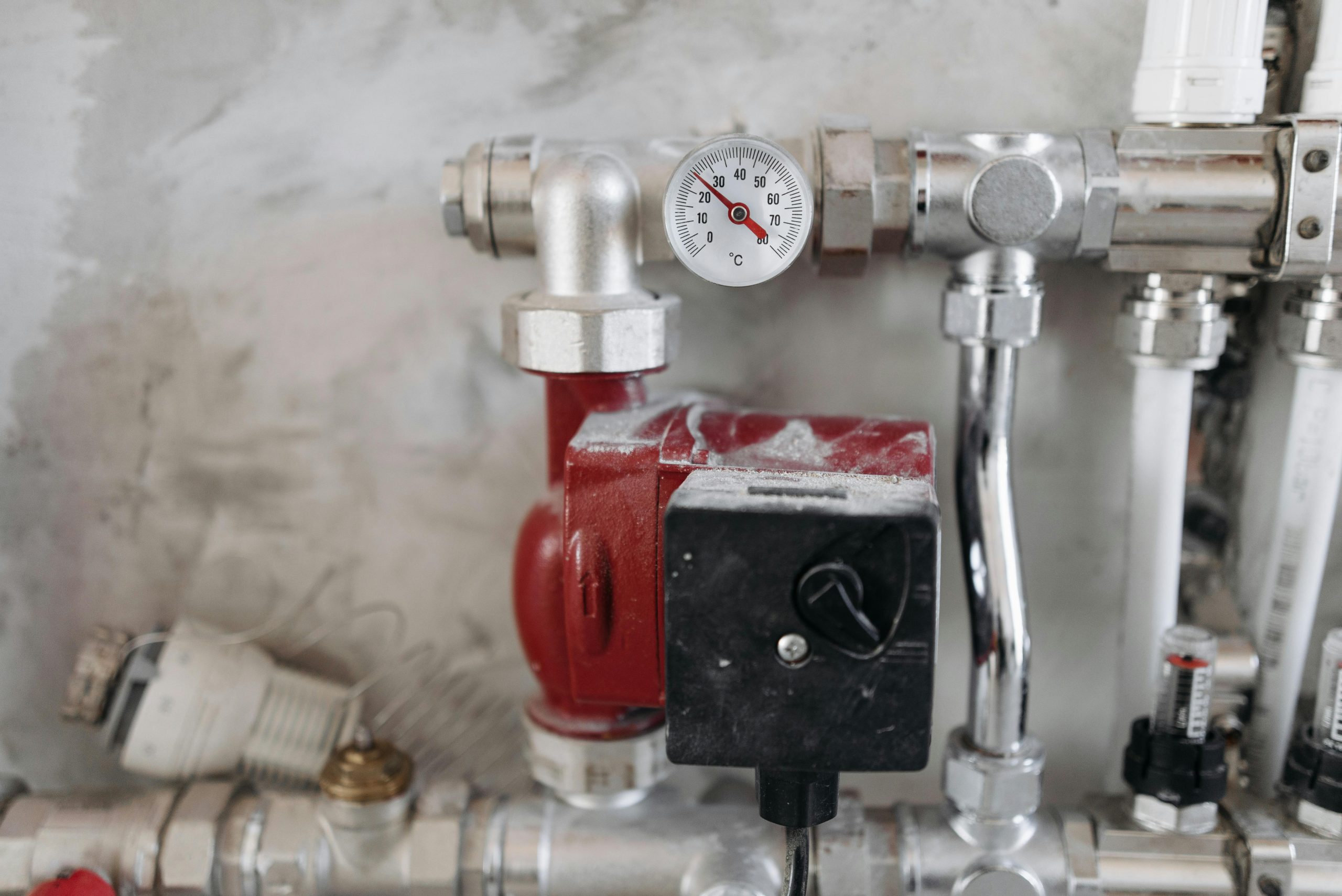
A home’s heating system is often taken for granted until something goes wrong. During colder months, families rely on it to maintain warmth, protect indoor spaces, and support everyday comfort. However, the performance of a heating system depends not only on the equipment itself but also on how well it is installed. Even the most advanced system can struggle if the installation process is rushed, poorly planned, or incomplete. Ensuring that your heating installation is properly handled is essential for efficiency, safety, and long-term reliability.
Building a Strong Foundation for Home Comfort
Heating systems work as a network of components that must function together smoothly. The furnace or heat pump, ductwork, thermostat, and ventilation pathways all play specific roles in delivering warmth throughout the house. If the installation process is not carefully planned, these components may fail to work in harmony.
A well-executed heating installation ensures that each element is correctly positioned and balanced. This creates a consistent indoor climate where rooms feel evenly heated rather than experiencing uncomfortable temperature swings. Homeowners often notice the difference immediately when a heating system has been installed with precision and attention to detail.
Avoiding Hidden Inefficiencies
Improper heating installation can create subtle problems that may not appear right away. For instance, poorly sealed ducts or incorrectly sized equipment can force the system to operate longer than necessary to achieve the desired temperature. While this might not be obvious in the beginning, the long-term effect is increased energy use.
When installation is done properly, airflow and system capacity are aligned with the home’s size and layout. This balance allows the heating system to reach target temperatures efficiently. As a result, the system operates less frequently, reducing wear and lowering monthly energy expenses.
Protecting the Structural Integrity of Your Home
Heating systems influence more than just indoor temperature. They also play a role in regulating humidity and preventing moisture-related issues. If a system is installed incorrectly, it may struggle to maintain balanced air circulation, which can lead to condensation in certain areas.
Over time, excess moisture may affect walls, ceilings, and insulation materials. This can create conditions that encourage mold growth or structural deterioration. Proper installation helps ensure that the heating system supports healthy airflow and balanced humidity, protecting both the home’s structure and the indoor environment.
Ensuring Proper System Sizing
One of the most overlooked factors in heating installation is choosing the correct system size. Some homeowners assume that a larger unit will provide better heating, but oversized systems can actually cause problems. They may heat the home too quickly, shutting off before air is evenly distributed.
Undersized systems present the opposite issue, running continuously without effectively warming the home. Proper installation includes careful calculation of the home’s square footage, insulation levels, window placement, and climate conditions. This process ensures that the heating system is appropriately sized to meet the home’s needs.
Preventing Long-Term Equipment Stress
Heating equipment is designed to operate within specific performance limits. When installation errors occur, the system may be forced to work harder than intended. For example, poor duct connections or incorrect wiring can place additional strain on motors and internal components.
Over time, this extra pressure can shorten the lifespan of the equipment. Systems that should last fifteen or twenty years may begin experiencing problems much sooner. A properly installed heating system reduces unnecessary stress and allows the equipment to perform as designed.
Improving Indoor Air Circulation
The quality of indoor air is closely tied to the performance of the heating system. When installation is done correctly, air circulates smoothly through vents and returns, helping maintain a balanced indoor environment. This process helps distribute fresh air while filtering out dust and airborne particles.
In contrast, poor installation may cause airflow restrictions that trap pollutants in certain areas of the home. Stagnant air can lead to unpleasant odors and reduced comfort. Proper heating installation supports healthier air movement and contributes to a cleaner living space.
Enhancing Safety for the Household
Heating systems often involve electrical components, fuel lines, and combustion processes. Any mistake during installation could potentially create safety risks. Loose connections, faulty ventilation, or incorrect setup can lead to overheating, gas leaks, or other hazards.
Ensuring that installation is handled correctly minimizes these risks. Proper setup includes thorough testing and verification of all components. This careful approach ensures that the system operates safely and reliably while providing warmth to the household.
Preparing for Seasonal Performance
A heating system must perform under demanding conditions, particularly during extended periods of cold weather. If the installation process overlooks certain details, the system may struggle during peak usage periods.
Proper installation prepares the equipment for long-term seasonal performance. From calibrating the thermostat to confirming balanced airflow, each step contributes to the system’s ability to maintain consistent heating when it is needed most.
Conclusion
Ensuring that your home heating installation is done correctly is one of the most important steps in creating a comfortable and efficient living environment. Proper installation supports consistent indoor temperatures, improves energy efficiency, and protects the structural integrity of the home. It also prevents unnecessary strain on heating equipment, helping extend the system’s lifespan.
Beyond performance benefits, a well-installed heating system contributes to better air circulation and greater household safety. By focusing on correct installation from the start, homeowners can avoid hidden inefficiencies and long-term complications. Ultimately, taking the time to ensure that heating installation is handled properly helps create a home that remains warm, safe, and reliable throughout every cold season.