


Historically, individuals suffering from tooth loss faced limited and often frustrating reconstructive options. Removable acrylic dentures frequently shifted during speech or mastication, while fixed dental bridges required the irreversible grinding down of adjacent, perfectly healthy teeth. The landscape of restorative dentistry shifted permanently with the introduction of dental implants. Unlike previous methodologies that merely rested on the mucosal tissues or relied on neighboring structures for physical support, this modern intervention functions as a standalone synthetic root system. By interfacing directly with the human jawbone, these advanced fixtures offer a level of stability, functionality, and longevity previously thought impossible in reconstructive medical science.
The Phenomenon of Osseointegration
The fundamental success of this restorative procedure hinges entirely on a remarkable biological process known as osseointegration. Discovered midway through the twentieth century, this process describes the structural and functional connection that forms between living human bone and the surface of a load-bearing artificial fixture. Medical-grade titanium and increasingly, highly specialized zirconia possesses a unique biocompatibility. When an oral surgeon precisely places the threaded cylinder into the alveolar bone, the immune system does not reject it as a foreign invader. Instead, osteoblasts the cellular units responsible for bone formation migrate directly to the titanium surface. Over a period of several months, these cells weave a dense matrix of bone into the microscopic ridges of the metal, permanently fusing the fixture within the skeletal anatomy.
Halting Skeletal Resorption
Beyond merely anchoring a prosthetic tooth, the titanium root plays a critical role in preserving the structural integrity of the human face. When a natural tooth is extracted, the surrounding jawbone loses its primary source of mechanical stimulation. Deprived of the daily kinetic forces generated by chewing and biting, the bone rapidly begins to atrophy in a process medically termed resorption.
Over time, this significant bone loss alters facial proportions, causing the lower third of the face to collapse inward and creating a prematurely aged appearance. Because the titanium fixture is embedded directly into the skeletal structure, it accurately mimics the physical forces of a natural tooth root. This continuous internal stimulation signals the body to maintain localized bone density, effectively halting the resorption process and preserving the patient’s natural facial architecture.
The Three-Tiered Anatomical Assembly
A completed permanent restoration is not a single piece of hardware, but rather a highly sophisticated, three-tiered assembly designed to replicate biological anatomy. The foundation is the titanium root itself, surgically placed completely beneath the gingival tissue. Once the lengthy osseointegration phase concludes, the practitioner attaches a highly engineered intermediate connector piece known as an abutment.
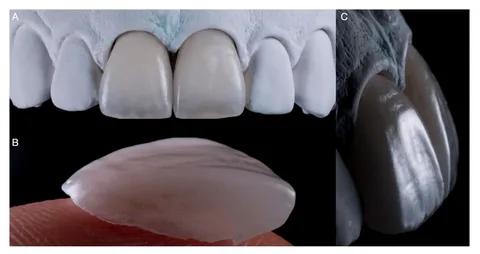
This vital component protrudes slightly above the gumline and serves as the secure, permanent attachment point for the visible restoration. The uppermost layer is the customized prosthetic crown, typically milled from high-strength porcelain, lithium disilicate, or monolithic zirconia. Master dental ceramists meticulously shape, texturize, and color-match this crown to blend seamlessly with the surrounding natural dentition, ensuring that the final assembly looks and performs exactly like a biological tooth.
Digital Diagnostics and Precision Planning
The placement of these artificial roots requires absolute anatomical precision. A fraction of a millimeter can dictate the difference between a flawless integration and a severe surgical complication. Modern medical facilities, such as Dentprime, employ advanced three-dimensional imaging technologies like Cone Beam Computed Tomography (CBCT).
These high-resolution digital scans allow oral surgeons to visualize the exact width and density of the jawbone, map the precise pathways of sensitive nerve canals, and locate the maxillary sinus cavities long before the actual procedure begins. Utilizing this digital topographical data, practitioners manipulate computer-aided design software to fabricate custom surgical guides. These templates ensure the titanium fixture is placed at the exact optimal angulation and depth for maximum long-term stability.
Systemic Health and Tissue Candidacy
While this technology represents the absolute gold standard for tooth replacement, surgical clearance relies heavily on an individual’s specific physiological state. The success of the procedure requires a sufficient volume of healthy bone. Patients who have endured prolonged tooth loss or severe periodontal disease often exhibit profound bone degradation. In these instances, surgeons must execute preparatory procedures, such as autogenous bone grafting or sinus floor elevations, to rebuild the anatomical foundation prior to implantation.
Furthermore, systemic health factors drastically influence the healing timeline. Conditions like uncontrolled diabetes severely restrict microcirculation to the oral tissues, heavily impairing the body’s ability to heal and integrate the metal. Similarly, aggressive lifestyle habits such as heavy tobacco use constrict blood vessels and introduce immense bacterial loads, significantly elevating the risk of implant failure.
Restoring a compromised dental arch with this advanced technology requires a profound understanding of human anatomy, material science, and surgical precision. By bypassing the inherent structural flaws of traditional dentures and bridges, the dental field provides patients with a fully functional replacement that closely mirrors natural biology. The deliberate fusion of biocompatible metals with living tissue allows individuals to regain total masticatory power and aesthetic confidence. As surgical techniques and digital workflows continue to evolve, this restorative protocol will undoubtedly remain the most predictable and medically sound solution for replacing missing teeth, offering unparalleled structural support when meticulously maintained.