


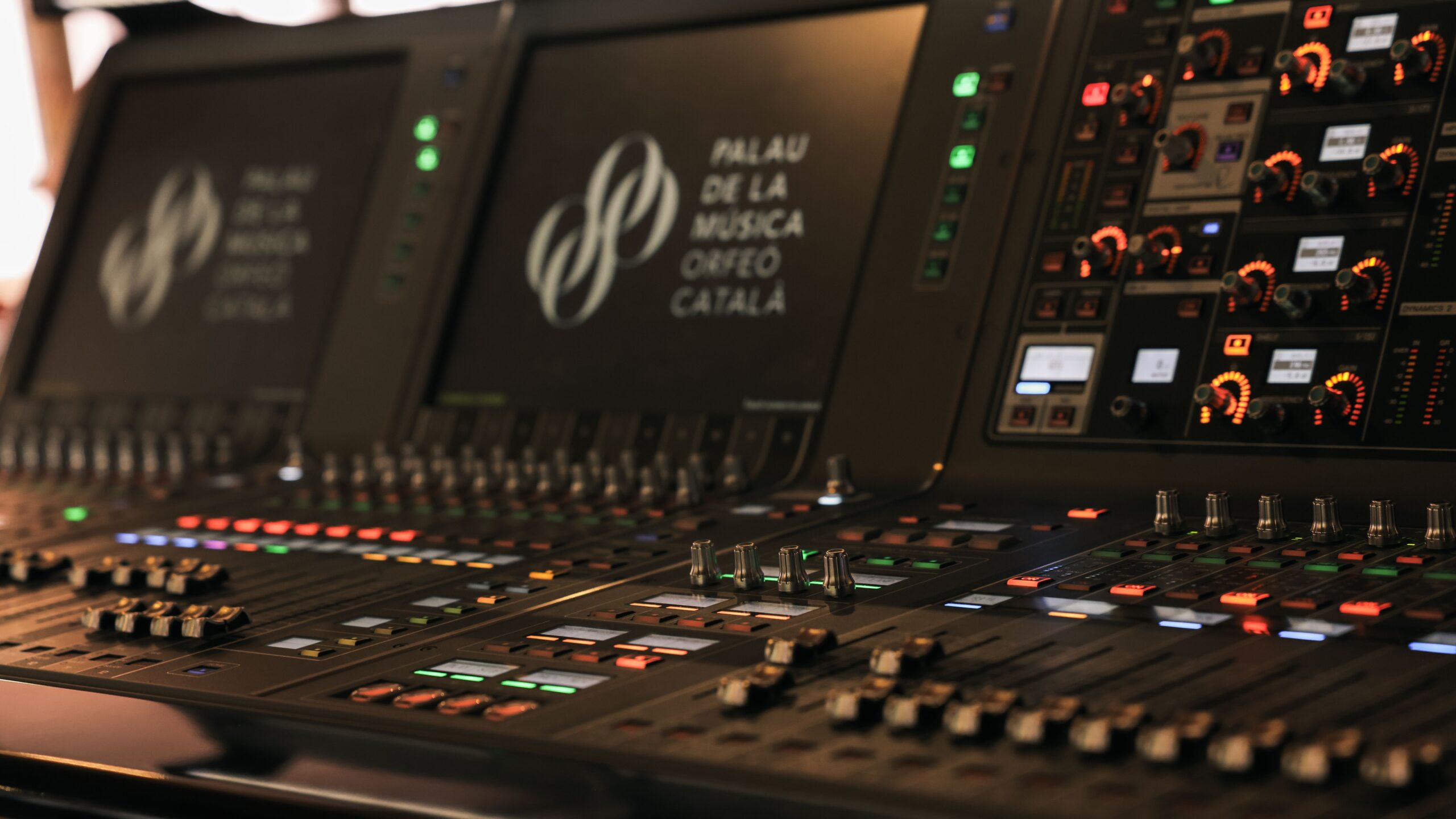
Hotels often host more than overnight guests. Their meeting rooms, ballrooms, conference spaces, restaurants, outdoor areas, and private rooms can also serve as locations for business meetings, weddings, conferences, training sessions, celebrations, and other gatherings. Because these events often depend on sound and visual equipment, reliable audiovisual support can have a direct effect on how smoothly a program runs.
Hotel audiovisual (AV) services can include equipment setup, sound systems, microphones, projectors, displays, lighting, video equipment, presentation support, equipment operation, and technical assistance. The exact needs vary from one event to another, but having the right equipment in place can make it easier for speakers to communicate, guests to follow presentations, and event organizers to manage the program.
Supporting Clear Communication
Clear communication is one of the main reasons audiovisual equipment matters at hotel events. In a large ballroom or conference room, a speaker’s natural voice may not reach every person in the space. A properly selected sound system can help distribute speech more evenly, allowing people seated farther from the stage to hear the presentation without excessive volume.
Microphones also need to match the type of event. A handheld microphone may work well for a panel discussion, while a lapel microphone can give a speaker more freedom to move around during a presentation. Wireless microphones, podium microphones, headset microphones, and other options each have different uses.
Room size, ceiling height, seating arrangement, wall surfaces, background noise, speaker location, and the number of people attending can all affect sound quality. For that reason, audiovisual planning should take the physical space into account instead of relying on the same setup for every event.
Improving Visual Presentations
Visual equipment can be just as important as sound. Business meetings may involve slides, charts, videos, demonstrations, or remote participants, while weddings and social events may use photographs, videos, lighting effects, or digital displays. A suitable screen or display gives guests a clear view of important information without requiring everyone to sit close to the front.
Projectors remain useful in some hotel spaces, while large displays and LED screens may be more practical in others. Screen size, room lighting, viewing distance, image resolution, and presentation content should all be considered when selecting equipment.
Good visual planning also involves checking connections before guests arrive. Presenters may use laptops, tablets, presentation systems, cameras, or other devices with different connection requirements. Testing equipment ahead of time can help identify compatibility problems before the event begins.
Supporting Different Events
Every hotel event has its own needs. A small business meeting may only require a display, laptop connection, and speakerphone, while a large conference could involve microphones, presentation screens, stage lighting, video playback, recording equipment, and remote communication tools.
Weddings and private celebrations can require a different approach. Music playback, speeches, announcements, dance floor lighting, video displays, and microphones may all be part of the event. In these situations, equipment needs to support the atmosphere of the gathering without becoming a distraction.
Training sessions may place greater emphasis on clear speech and readable visual material. Conferences may require several microphones, presentation displays, recording equipment, and equipment for speakers who change throughout the day. Because each event has different priorities, Hotel AV services should be planned around the program rather than selected solely according to the size of the room.
Preparing Equipment Before Events
Preparation is an important part of audiovisual work. Equipment that functions properly in one setting may behave differently after being moved into another room. Cables may need to be routed differently, speakers may require adjustment, and displays may need to be positioned based on the seating arrangement.
Testing before an event gives technicians an opportunity to check microphones, speakers, screens, projectors, lighting, playback devices, connections, power sources, and presentation equipment. It also provides time to address problems without an audience waiting for the program to begin.
Managing Technical Support
Technical support can be useful when an event involves several pieces of equipment or a detailed schedule. Even when everything has been tested, unexpected issues can occur. A microphone may stop working, a presentation may fail to display, a cable may become disconnected, or a video may not play as expected.
Having someone available to identify and correct these problems can reduce delays. This is especially helpful for events with tight schedules, multiple speakers, live presentations, recorded content, or remote participants.
Creating Smoother Event Experiences
Audiovisual equipment may not be the main reason people attend a hotel event, but it can strongly affect their ability to participate. Guests need to hear speakers, see presentations, follow videos, understand announcements, and stay connected when remote participation is involved. When equipment works as expected, these tasks can happen without drawing unnecessary attention.
Hotel AV services are about supporting the event rather than taking attention away from it. Careful equipment selection, room planning, testing, technical support, clear communication, and preparation for unexpected problems can help create a more organized experience for speakers, planners, hotel staff, and guests. Whether the event is a small meeting or a large gathering, dependable audiovisual planning gives everyone a better chance to hear, see, and participate without unnecessary interruptions.